Triple Flower Machine Embroidery Design Review
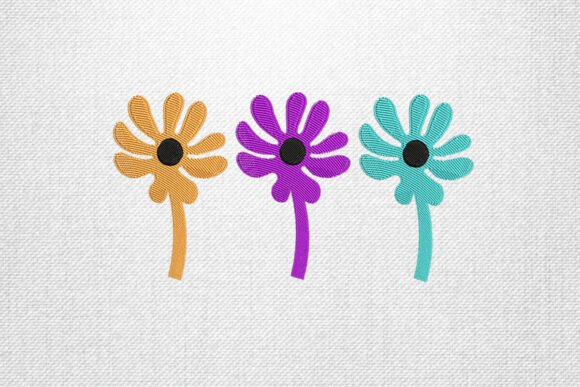
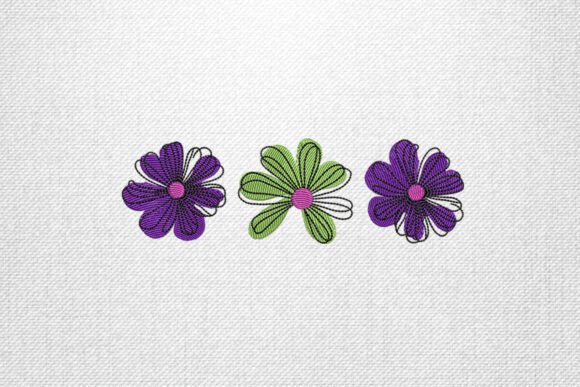
As I prepare my inventory for the upcoming weekend craft fair, my primary goal is to curate a booth that stops foot traffic and converts browsers into buyers. When evaluating new design assets for commercial production, I look for versatility, visual impact, and production efficiency. The Triple Flower Machine Embroidery Design immediately caught my attention as a potential workhorse for my seasonal lineup. Featuring three playful blooms in distinct purple, green, and pink tones, this design offers a vibrant color story that feels fresh yet timeless. From the perspective of an experienced embroidery designer and small shop owner, here is my honest assessment of how this machine embroidery design performs in real-world applications, from the hooping station to the sales table.
First Impressions and Market Appeal
Upon loading the embroidery file, the first impression is one of cheerful sophistication. While categorized under Single Flowers, the trio arrangement creates a balanced composition that feels more substantial than a solitary motif. The specific color palette—purple, green, and pink—strikes a crucial balance for craft fair product development. It avoids being overly juvenile while remaining accessible and friendly. This is not a stark, modern minimalist design; rather, it carries a soft, decorative charm that appeals to customers looking for warmth and handmade quality.
For an Etsy seller or boutique maker, this aesthetic is highly photographable. The contrast between the three hues ensures the design reads clearly in thumbnail images and printable mockups. In person, the interplay of colors suggests a premium handmade product because it requires multiple thread changes, signaling effort and detail to the untrained eye. It feels custom and intentional, which is exactly the vibe needed to justify higher price points at a market booth compared to mass-produced alternatives.
Best Selling Applications for Craft Fairs
Versatility is the metric by which I judge any digital embroidery file. A design must earn its place in my library by working across multiple substrates. Based on the description and visual structure, here is where I see the Triple Flower Machine Embroidery Design generating the most revenue:
- Tote Bag Design: Canvas totes are a staple for commercial embroidery businesses. The three-flower layout provides excellent horizontal or vertical coverage without overwhelming the bag’s utility. The playful tones pop beautifully against natural cotton canvas, making these bags instant best-sellers for spring and summer markets.
- Apron Embroidery: For kitchenware vendors, this design serves as an ideal focal point on bib-style aprons. The color scheme complements gingham, linen, and denim fabrics commonly used in farmhouse-style goods. It transforms a utilitarian item into a giftable piece.
- Tea Towel Embroidery: Flour sack towels and waffle-weave textiles require designs that aren't too dense. The floral nature of this motif allows for open stitching that preserves the drape and absorbency of the towel, avoiding the "bulletproof" patch effect that ruins functionality.
- Pillow Covers and Home Decor: As a decorative accent, the trio works perfectly off-center on throw pillows. This placement leaves negative space that looks high-end and intentional, appealing to home decor shoppers who want subtle embellishment rather than loud graphics.
Niche Opportunities: Patches and Apparel
Beyond standard goods, this design has strong potential as an embroidered patch. By using a merrowed edge or satin border, you can create standalone patches that customers can apply to jackets, jeans, or scarves. This diversifies your income stream with low-cost, high-margin items perfect for impulse buys at the front of the booth. On apparel like t-shirts and light jackets, ensure the design is resized appropriately to avoid heavy stabilizer show-through on lighter knits.
Production Practicality and Batch Efficiency
A beautiful design is useless if it takes too long to produce during a busy season. When reviewing the Triple Flower Machine Embroidery Design for batch production, I consider the workflow. Three distinct colors mean three stops per hoop. For a single item, this is negligible. However, if you are running six tea towels back-to-back, those color changes add up.
To maximize efficiency, I recommend grouping production by fabric type rather than product type. Hoop multiple items at once if your machine supports multi-position hoops, or run all purple threads across a batch before switching to green and pink. This reduces downtime. Furthermore, check the stitch density before committing to a full run. Floral designs can sometimes be digitized with excessive fill stitches. If the file is overly dense, it will increase run time and risk puckering on lighter fabrics. A well-digitized floral should use appropriate underlay and efficient stitch paths to maintain speed without sacrificing coverage.
Critical Use Notes and Fabric Considerations
Every embroidery designer knows that digital perfection does not always translate to physical reality. Before listing this as a finished product, pay close attention to these technical constraints:
- Fabric Texture: On textured towels or nubby linens, fine details in the petals may get lost. Always use a water-soluble topping to keep stitches crisp and visible above the fabric pile.
- Stabilizer Selection: Because this design involves three colors and likely some registration shifts, proper stabilization is non-negotiable. Use a cut-away stabilizer for stretchy knits (t-shirts, scarves) to prevent distortion between color changes. For stable wovens like canvas totes, a medium-weight tear-away may suffice, but test first.
- Size Limitations: While the description mentions various applications, reducing a triple flower design too small can cause muddy details. Verify the minimum recommended size in your software. If shrinking for a cap or pocket, ensure the individual petal widths remain wider than your needle thickness to avoid thread breaks.
- Curved Surfaces: If applying this to caps, the flat three-flower layout may distort on the curved brim. Test on a curved cap frame specifically, or consider using only the center bloom for headwear to maintain clarity.
Designer Checklist for Commercial Success
Before I list any item made with the Triple Flower Machine Embroidery Design in my shop or display it at a fair, I complete this mandatory checklist. I strongly advise fellow creative entrepreneurs to do the same:
- Sew-Out Test: Never sell based on a screen preview alone. Stitch the design on the exact fabric you intend to sell. Check for registration errors between the purple, green, and pink sections.
- Thread Contrast Check: View the sew-out in natural daylight and indoor booth lighting. Ensure the green stems don’t disappear into olive-toned fabrics or that the pink doesn’t blend into blush backgrounds.
- Hoop Size Confirmation: Verify the dimensions fit your most frequently used hoops. Re-hooping mid-design increases error risk and production time.
- Licensing Verification: Confirm the commercial embroidery license terms. Ensure you have the right to sell finished products featuring this design, especially if selling on platforms like Etsy where intellectual property compliance is strictly monitored.
- Create Real Mockups: Photograph the actual stitched sample on the product. Customers trust real photos over digital renders. Show the texture and sheen of the threads to convey value.
Final Verdict for Handmade Sellers
The Triple Flower Machine Embroidery Design represents a solid investment for makers focusing on giftable, colorful, and feminine goods. Its strength lies in its adaptability across high-volume sellers like tote bags and tea towels, while its color complexity elevates the perceived value of simpler items like pouches and patches. By respecting the technical requirements of stitch density, stabilizer choice, and fabric compatibility, this design can become a reliable profit driver for your small shop product line. Whether you are stocking an Etsy store or prepping for a weekend market, this floral trio offers the perfect blend of artistic appeal and commercial viability.