Dainty Single Flower Embroidery Design Review
As a professional embroidery designer specializing in commercial branding and merchandise, I approach every new machine embroidery design with a critical eye toward production viability. When evaluating the Dainty Single Flower Embroidery Design for small business applications, my primary focus is not just aesthetic appeal, but how this digitization performs under the rigors of commercial use. This review analyzes the design’s suitability for branded patches, staff uniforms, and retail merchandise, ensuring it meets the standards required for professional brand identity.
Visual Personality and First Impressions
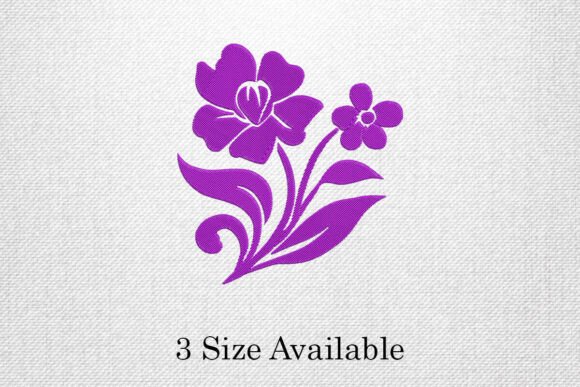
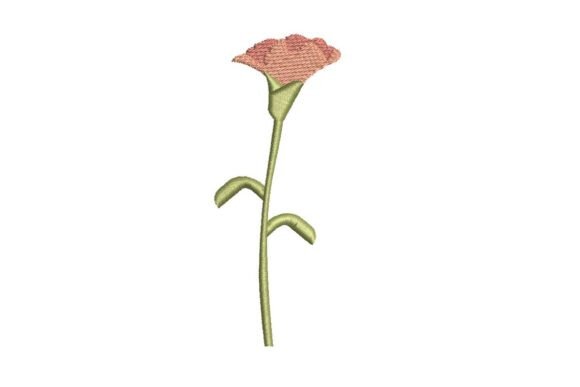
The immediate impression of the Dainty Single Flower Embroidery Design is one of refined minimalism. In the context of small business merch, "dainty" often translates to sophisticated and unobtrusive, which is exactly what modern boutique brands require. Unlike dense, complex florals that can feel heavy or dated, this design utilizes negative space effectively. The slender stem mentioned in the product description suggests a lighter stitch count, which is advantageous for preventing fabric puckering on lightweight garments.
For businesses like florists, bakeries, or creative studios, this visual tone communicates elegance without overpowering the primary logo. It feels handmade yet polished, striking a balance that builds customer trust. However, as a designer, I note that "dainty" implies thinner lines. This requires careful attention during production to ensure the design remains legible and durable, particularly when scaled down for smaller applications.
Commercial Applications for Small Business Merch
Versatility is key for any digital embroidery file intended for business use. Based on the five available sizes, this design offers significant flexibility across various merchandise categories.
- Staff Uniforms and Aprons: For cafes and boutiques, apron embroidery needs to withstand frequent laundering. This floral accent works exceptionally well as a secondary placement element, such as on a sleeve cuff or near the hem, adding a premium touch to standard workwear without interfering with functional pockets or primary chest logos.
- Retail Tote Bags: A tote bag design must be visible from a distance while retaining detail up close. The larger sizes of this design are ideal for canvas totes, serving as a standalone artistic element or complementing a text-based brand name. The minimalist style prevents the bag from looking cluttered.
- Custom Patches: Creating an embroidered patch requires specific digitizing considerations. While this design is elegant, its slender nature means it may need a merrowed edge or a thicker border if used as a standalone patch to prevent fraying. It is best utilized as an appliqué-style patch or integrated into a larger badge design for hats and jackets.
- Cap Embroidery: Headwear presents unique challenges due to curvature. The vertical orientation of a single flower stem aligns naturally with the center panel of a cap. However, the design must be tested to ensure the slender stem does not distort when stitched on a curved surface.
Production Considerations and Technical Constraints
While the Dainty Single Flower Embroidery Design is aesthetically pleasing, technical execution determines its success in commercial embroidery. There are specific environments where this design requires caution.
Fabric Texture and Stabilizer Selection
Because the design features delicate lines, fabric texture plays a massive role in the final output. On smooth cotton twill or poplin, the stitches will lie flat and crisp. However, on textured fabrics like linen or terry cloth, the slender stem risks sinking into the weave. As a designer, I strongly advise using a water-soluble topping alongside your standard stabilizer. This ensures the fine details remain on top of the fabric nap rather than getting lost, preserving the integrity of the finished product.
Stitch Density and Washability
Dainty designs often utilize running stitches or satin columns that are narrower than standard bold graphics. For items requiring frequent washing, such as hospitality uniforms, verify the stitch density. If the lines are too sparse, they may degrade over time. Conversely, if the digitizer compensated for delicacy by increasing density excessively, the fabric may pucker. Always run a sew-out test on the actual garment material before committing to a bulk order.
Scaling and Legibility
With five sizes included, users might be tempted to resize the embroidery file manually. I caution against resizing dainty florals below their intended minimum size. Slender stems can become discontinuous or break at very small scales. Always check the minimum recommended dimensions in the file metadata. If you need a size smaller than provided, seek a version specifically digitized for micro-application rather than shrinking an existing file.
Impact on Brand Identity and Customer Perception
In the competitive landscape of Etsy sellers and local shops, visual consistency establishes professionalism. The Dainty Single Flower Embroidery Design serves as a cohesive thread across disparate products. When a customer sees this same floral motif on a product tag, a thank-you card envelope seal, and a staff member’s collar, it reinforces brand identity.
This level of detail signals to buyers that the business cares about quality. A sloppy, puckered, or poorly placed embroidery job damages trust instantly. Conversely, a crisp, well-executed floral accent elevates the perceived value of the merchandise. For handmade brands, this design bridges the gap between rustic charm and modern retail standards, making products feel artisanal yet reliable.
Designer Notes for Successful Implementation
To maximize the potential of this design in a business setting, follow these practical steps before full production:
- Verify Commercial Licensing: Before selling any item featuring this design, confirm the license terms. Ensure the design assets allow for commercial sale of finished goods, not just personal use.
- Create Printable Mockups: Use a printable mockup to show clients or stakeholders exactly how the design will look on the chosen garment. This manages expectations regarding size and placement relative to seams and pockets.
- Test Thread Colors: Monitor contrast carefully. A dainty white flower on cream fabric may disappear in photos. Test thread colors against the specific fabric batch to ensure visibility and brand alignment.
- Check Hoop Size Compatibility: Confirm that the largest size of the design fits within your machine’s maximum embroidery area. Using the correct hoop size minimizes fabric movement and improves registration.
- Sew-Out Validation: Never skip the physical test. Inspect the back of the embroidery for excessive jump stitches or bobbin thread show-through. Clean trimming is essential for a professional appearance.
- Compare with Existing Assets: Place this design beside your current logo and typography. Ensure the line weight and style harmonize with your existing custom apparel lineup to maintain visual consistency.
The Dainty Single Flower Embroidery Design is a valuable asset for businesses seeking to add a soft, elegant touch to their merchandise. By respecting the technical requirements of delicate digitization and applying strategic placement, small business owners can transform this simple floral motif into a powerful tool for brand recognition and product enhancement. Always prioritize testing and fabric compatibility to ensure your embroidered goods reflect the high standards of your business.